For a long time, SEO and PPC have often been treated as two separate parts of digital marketing.
SEO focuses on earning organic visibility, while PPC focuses on paid placements that can bring immediate traffic. Different teams may manage them, use different tools, and measure success in different ways.
But search marketing becomes much more powerful when these two channels stop working in isolation.
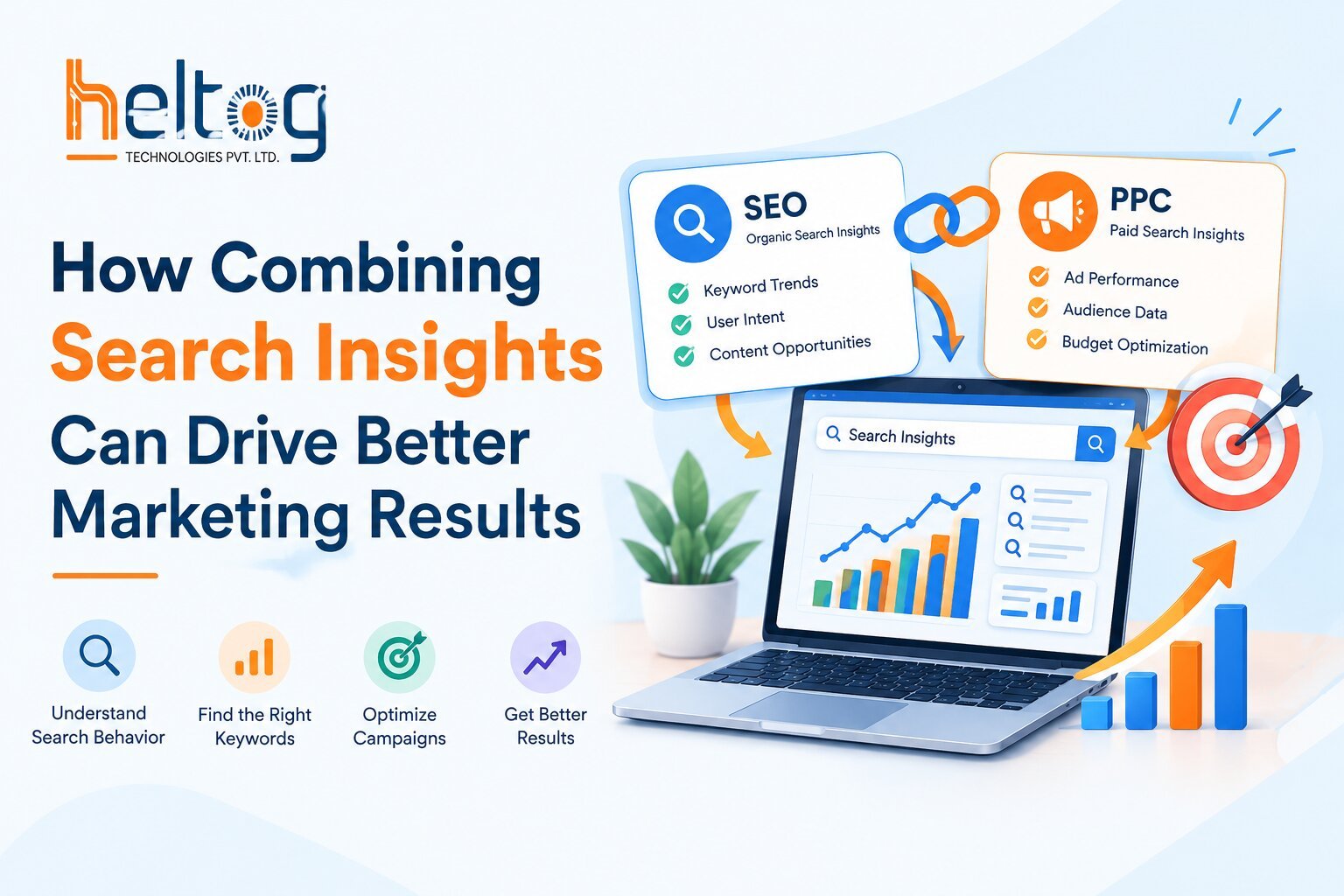
SEO and PPC can share valuable insights, from keyword performance and search intent to landing-page behavior and conversion data. When marketers bring those insights together, they can make smarter decisions about where to invest their time and budget.
Why SEO and PPC Should Work Together
SEO and PPC may have different approaches, but they are both trying to answer the same fundamental question:
What are people searching for, and what makes them take action?
SEO can reveal which topics and keywords attract consistent organic interest. PPC, meanwhile, can provide fast feedback about which keywords generate clicks, conversions, and qualified traffic.
Instead of keeping these insights separate, businesses can use information from one channel to strengthen the other.
For example, a PPC campaign might reveal that a particular search term generates highly qualified leads. That information could encourage the SEO team to create or improve organic content around the same topic.
Likewise, strong organic performance for a commercially valuable keyword may indicate an opportunity for a targeted PPC campaign.
PPC Can Give SEO Faster Keyword Insights
One of the biggest advantages of PPC is speed.
SEO can take time to produce meaningful results. Content needs to be created, optimized, indexed, and established in search results. PPC campaigns can provide performance data much faster.
A well-structured PPC campaign can help identify:
Keywords that attract relevant visitors
Search terms that lead to conversions
Messages that encourage users to click
Landing pages that perform well
Search queries that may deserve dedicated SEO content
These insights can then contribute to a more focused SEO and PPC strategy.
Rather than guessing which keywords might perform well organically, marketers can use real campaign data to help prioritize their SEO efforts.
SEO Can Improve PPC Performance Too
The relationship works both ways.
SEO teams spend significant time understanding search intent, creating useful content, optimizing pages, and improving user experience. Those insights can be extremely valuable for PPC campaigns.
Suppose an SEO team discovers that visitors searching for a specific topic respond particularly well to educational content before making a purchase.
The PPC team can use that insight when developing ad messaging and deciding which landing page experience to offer.
This creates a more consistent journey:
Search → Ad → Relevant Landing Page → Useful Information → Conversion
When the message behind the keyword, advertisement, and landing page matches the user's intent, the overall search experience can become more effective.
Search Intent Is the Common Ground
Keywords are important, but understanding search intent is even more important.
Someone searching for “best running shoes” may still be researching. Someone searching for “buy running shoes online” is likely much closer to making a purchase.
SEO and PPC teams can both benefit from identifying these differences.
SEO can use search intent to determine whether a query deserves:
A blog article
A buying guide
A product page
A comparison page
An informational resource
PPC can use the same understanding to create more relevant advertisements and landing pages.
This is where SEO PPC integration becomes particularly valuable. Both channels are working from the same understanding of what the searcher actually wants.
Use PPC Data to Test Messaging
Another useful advantage of PPC is the ability to test different messages relatively quickly.
For example, a business might test advertisements highlighting:
Price
Quality
Convenience
Expertise
Free delivery
A specific product benefit
If one message consistently produces better engagement or conversions, that insight can potentially influence organic content as well.
It could be incorporated into:
Page titles
Meta descriptions
Headlines
Product descriptions
Blog content
Calls to action
This doesn't mean copying an advertisement directly into an SEO page. Instead, the performance data can help marketers understand which value propositions resonate with their audience.
Avoid Competing Against Yourself
Another reason to coordinate SEO and PPC is to understand where paid and organic visibility overlap.
A company may already rank strongly for an important keyword organically while spending heavily on PPC for the same search.
That doesn't automatically mean the PPC campaign should be stopped. Paid visibility can still provide additional exposure and may produce incremental conversions.
However, the decision should be based on actual performance rather than assumptions.
Businesses should look at factors such as:
Organic rankings
Paid click-through rates
Conversion rates
Cost per conversion
Revenue generated
Search intent
Brand visibility
Overall customer acquisition costs
The goal isn't simply to choose SEO or PPC. It's to understand how the two channels contribute to the wider marketing objective.
Build a Shared Keyword Strategy
A practical way to bring SEO and PPC together is to create a shared keyword strategy.
Instead of maintaining completely separate keyword lists, teams can categorize keywords according to factors such as:
High-conversion keywords
Potential candidates for both SEO investment and carefully managed PPC campaigns.
Informational keywords
Often useful for SEO content, guides, and educational resources.
Commercial keywords
Can be valuable for product pages, comparison content, and PPC campaigns.
Brand keywords
Useful for protecting brand visibility and understanding how customers search for the business.
This shared approach gives both teams a broader view of search behavior.
Measure Business Outcomes, Not Just Traffic
SEO and PPC can generate impressive traffic numbers, but traffic alone doesn't necessarily mean business growth.
A better approach is to look beyond clicks and impressions.
Depending on the business, useful metrics may include:
Qualified leads
Sales
Conversion rate
Revenue
Cost per acquisition
Return on ad spend
Organic conversions
Customer lifetime value
When SEO and PPC teams evaluate performance using common business goals, collaboration becomes much easier.
A Simple SEO and PPC Workflow
Businesses don't necessarily need a complicated system to start combining their search insights.
A simple workflow could look like this:
1. Collect PPC data
Identify high-performing keywords, search terms, advertisements, and landing pages.
2. Compare organic performance
Check how those keywords and topics are performing in organic search.
3. Analyze search intent
Determine what users are actually looking for.
4. Improve SEO content
Create or optimize pages around valuable search opportunities.
5. Improve PPC campaigns
Use SEO insights to refine advertisements, targeting, and landing pages.
6. Measure conversions
Compare results across both channels.
7. Repeat and refine
Search behavior changes, so the strategy should evolve with the data.
The Future of Search Marketing Is More Connected
SEO and PPC don't have to compete for attention, budget, or credit.
They can operate as complementary parts of a broader search marketing strategy.
PPC can provide rapid testing and valuable keyword data. SEO can build long-term visibility and authority. Together, they can give marketers a more complete understanding of search behavior.
The real opportunity isn't simply choosing between organic and paid search.
It's using the insights from both to make better decisions.
Final Thoughts
SEO and PPC work best when they are treated as connected disciplines rather than isolated marketing activities.
The data from PPC can help identify valuable SEO opportunities, while SEO research can improve PPC targeting, messaging, and landing-page experiences.
For businesses looking to build a stronger digital presence, the question shouldn't always be “Should we invest in SEO or PPC?”
A better question is:
“What can SEO and PPC teach each other?”
That shift in thinking can turn two separate search channels into a much more coordinated and effective marketing strategy.
Heltog Technologies helps businesses grow online with effective SEO, PPC, and digital marketing solutions focused on visibility, traffic, and measurable results.
Visit Heltog Technologies
Found this article helpful? Share it!
H
Written by
Heltog Team
Digital marketing and technology expert at Heltog Technologies. Helping businesses grow with smart digital solutions.



Leave a Comment
Your email address will not be published. Required fields are marked *